

Ancient Cities to Visit in Croatia
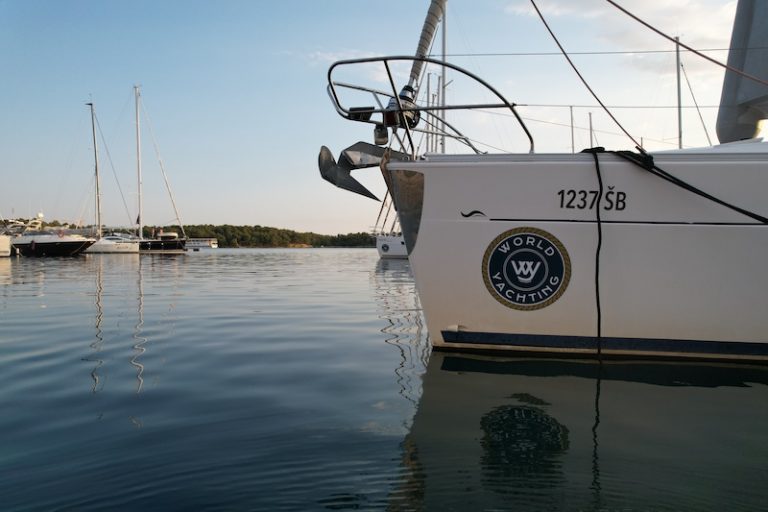
Croatia’s coast is adorned with ancient towns and UNESCO-protected gems, mixing vibrant history with Mediterranean charm to make for an unequaled seaside holiday.
From the Greeks to the Romans, Croatia’s antiquity beams through flawless architecture, often designed thanks to local white limestone transformed into palaces, churches, and defensive walls.
With an age-old story to be told that has survived through centuries of calm and conflict, Croatia’s ancient cities allow you to live vicariously through their past, amplifying your sailing holiday to the
history beyond the sea.
Here are 6 Ancient cities you need to visit when sailing in Croatia on a Dalmatian sailing route.
1. Sibenik
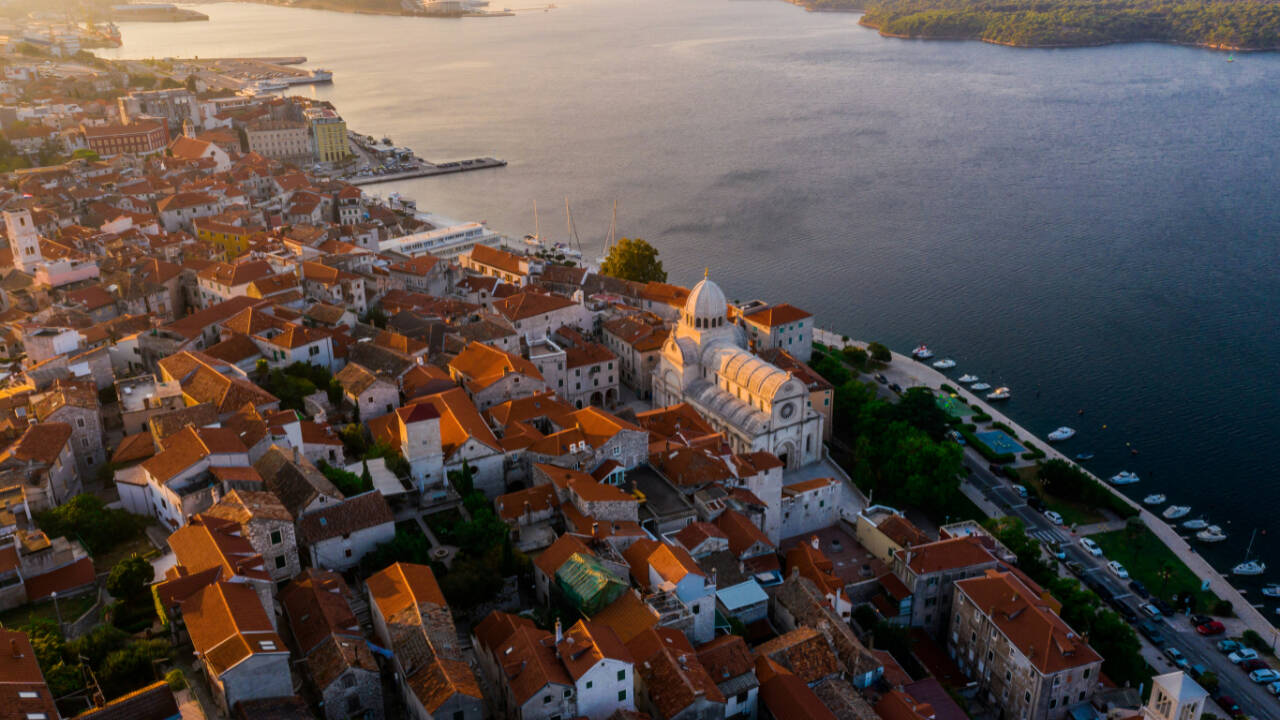
First mentioned in 1066, Sibenik was founded by Croats over 1,000 years ago, making it the oldest native Croatian town on the Adriatic Coast. Thanks to its strategic position, Sibenik was under
Venetian rule in 1412, attacked by the Ottomans in 1647, and went on to survive the 16th-century plague, the Habsburg Monarchy, and a few Italian occupations. Its turbulent history, however, gave birth to many of its cultural monuments, and today, it is the only Croatian city with two UNESCO.
World Heritage sites – the 15th-century Renaissance pearl St. James Cathedral and the Venetian fortification St. Nicholas Fortress, built between the 16th and 17th centuries as a defense against the Ottoman Turks. Visitors also shouldn’t miss St. Michael’s Fortress, today an unbeatable location for concerts and cultural events, or the medieval Mediterranean Garden of the St. Lawrence Monastery.
2. Trogir
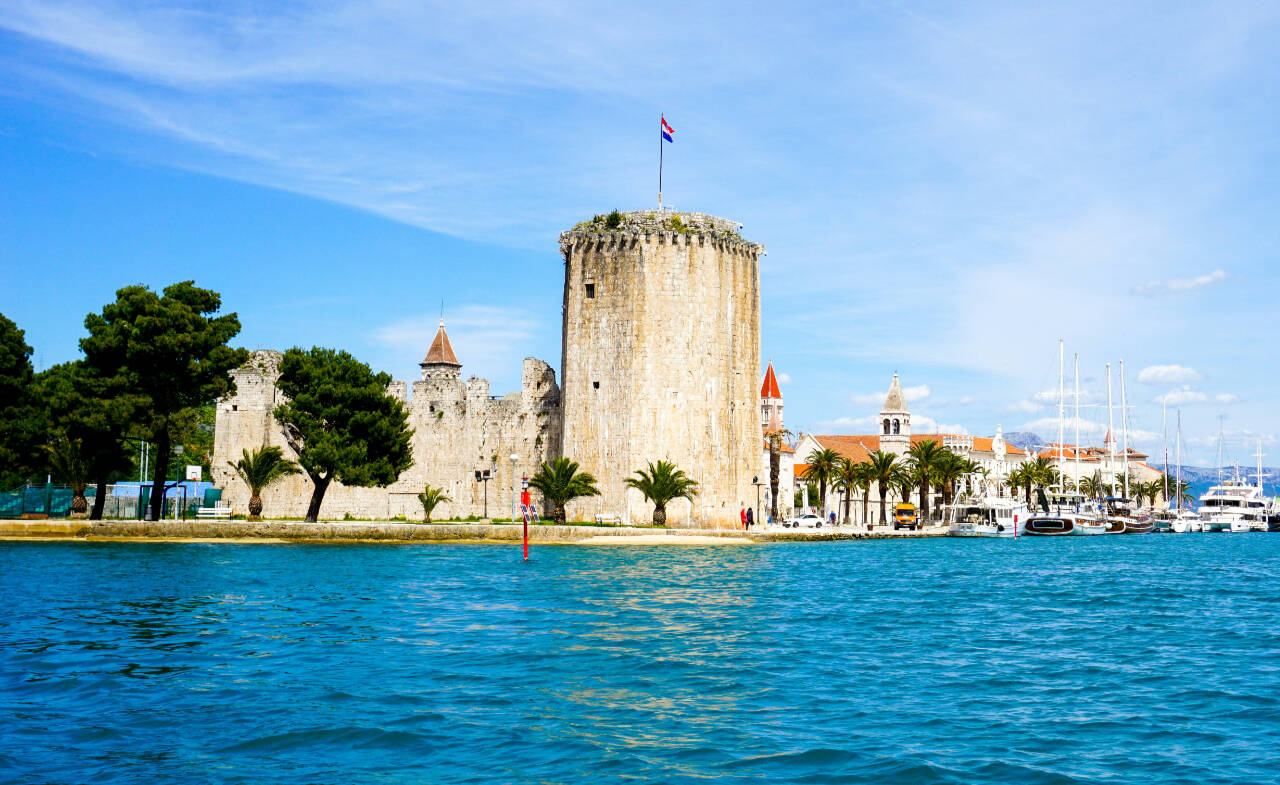
This well-preserved ‘museum city’ is praised for its Romanesque, Gothic, Renaissance, and Baroque influences, all of which contributed to its inclusion in the UNESCO World Heritage list back in 1997.
Founded in the 3rd-century BC by Greeks, Trogir became a Roman municipality in the 1st century BC, was ruled by Croatians in the 9th century, and was a free city in 1107 after Croatia was annexed to Hungary. Controlled by Venetians, Austrians, and French until 1918, Trogir’s ancient attractions are a testament to its tale. From its Romanesque-Gothic core to its 13th-century Cathedral, 15th-century Venetian Kamerlengo Castle, and decorations of Kairos, the Greek god of opportune moments, Trogir is a mosaic of antiquity that thrives off its historical heritage.
4. Stari Grad
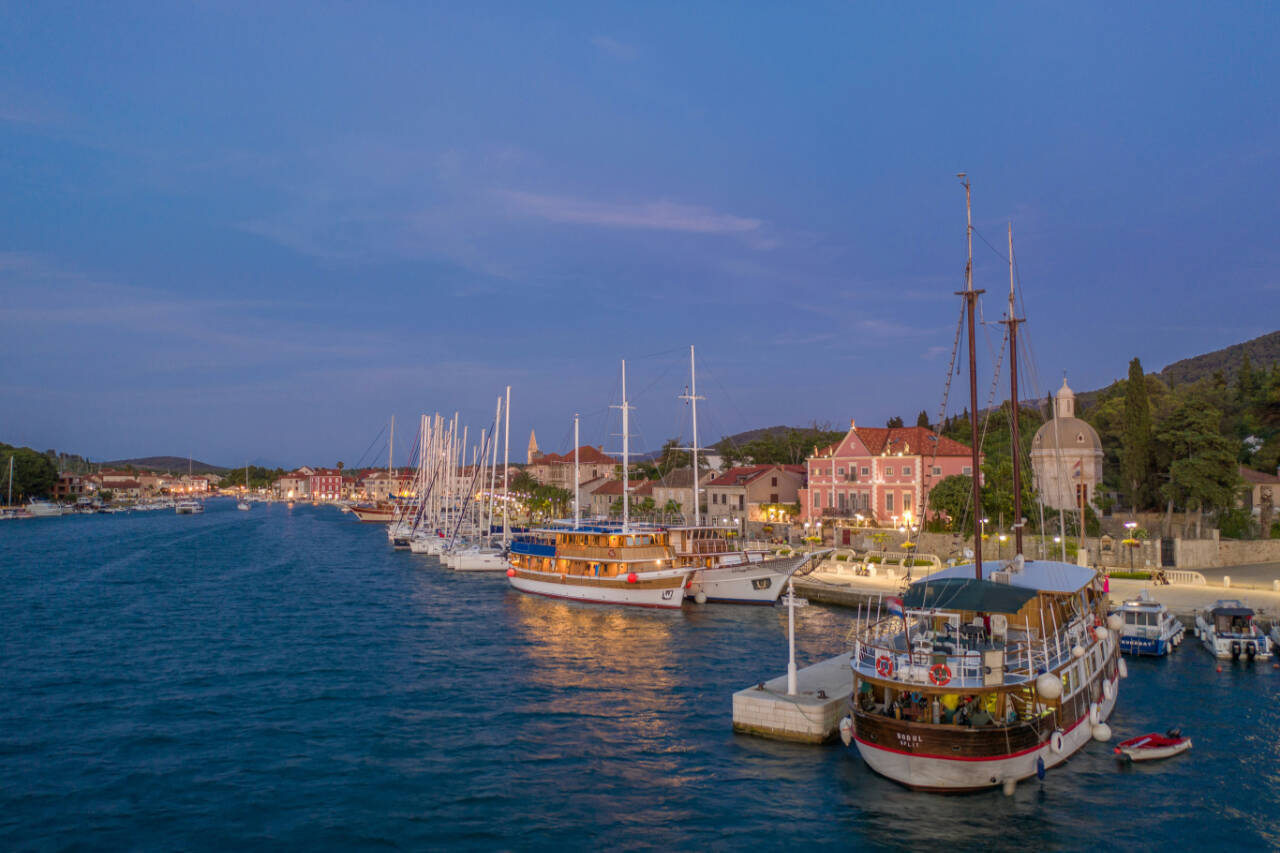
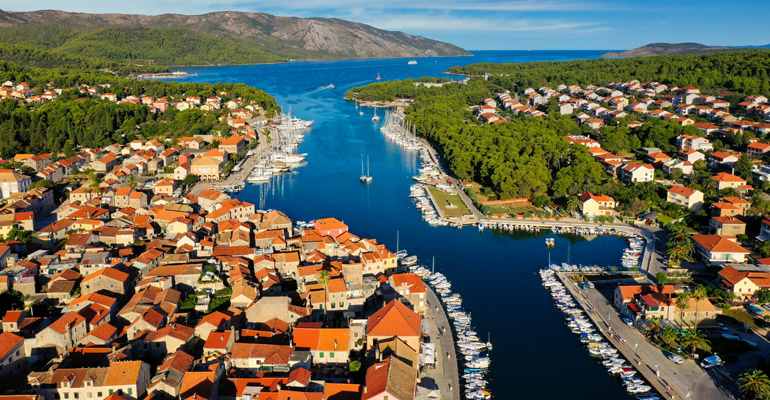
The oldest settlement on the island of Hvar is a quaint fishing town named Stari Grad (Old Town). With over 2,400 years of history, Stari Grad’s roots date back to 385 BC, when it was called Pharos, after it was first colonized by Ionian Greeks from Paros. The Greeks are also responsible for Stari Grad’s UNESCO World Heritage, the Stari Grad Plain, a geometrical land organization system divided by dry stone walls, or ‘chora.’
From Greek Pharos to Roman Faria, Stari Grad was under Byzantine rule, the remains of which can be seen today in the foundation of St. John’s Church. Stari Grad is also famous for Petar Hektorovic, a Renaissance nobleman and poet whose mid-15th century holiday home transformed into a fort (Tvrdalj) during the Turkish invasions, which you can still visit today.
A Mediterranean hotspot for trade and craft over the years, Stari Grad today is a sanctuary for history buffs and sailors, the old-world sister to the trendy Hvar town.
5. Korcula
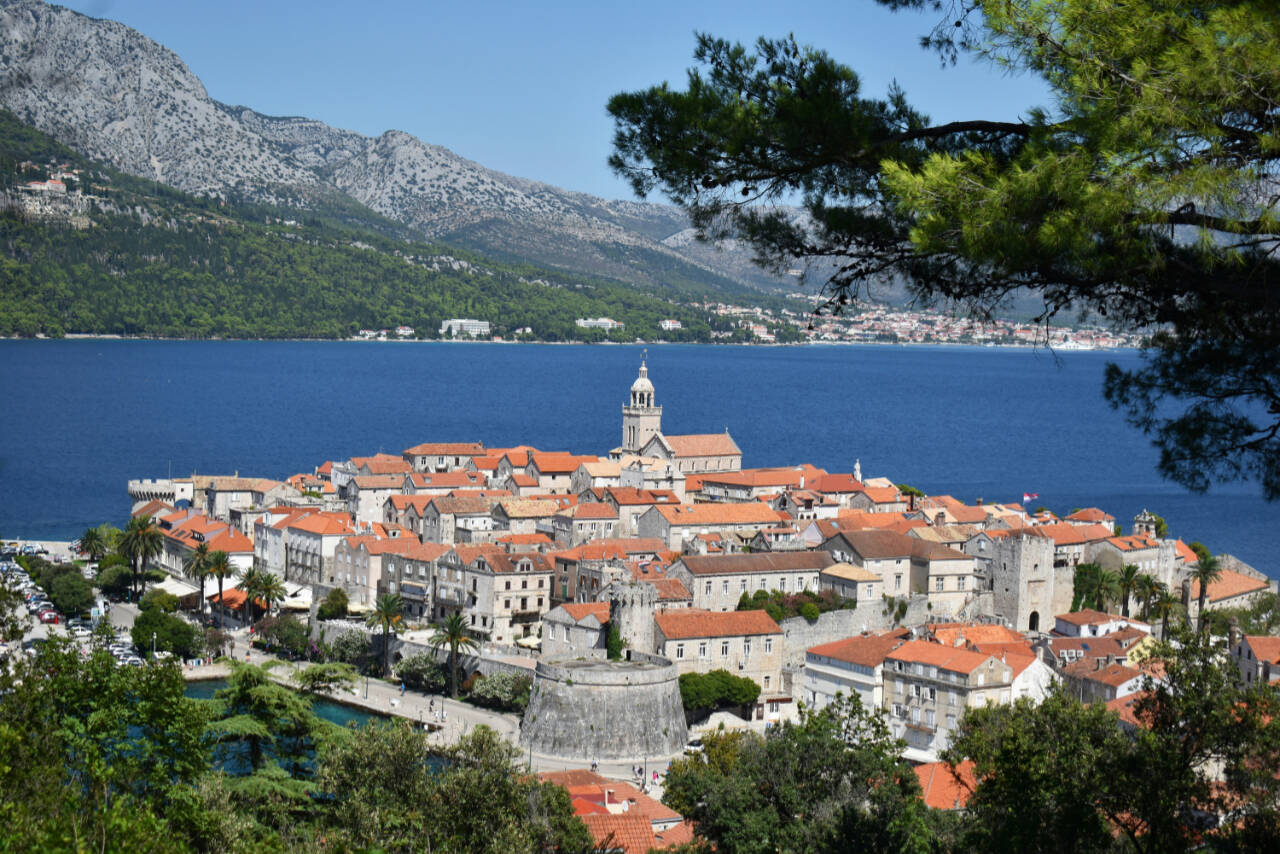
With island roots dating back to the Stone Age and evidence of human dwellings on the island even older, Korčula town is an island immersed in antiquity. Legend says that Korčula town was founded in the 12th century BC by the Trojan hero Antenor, but the first known inhabitants were Illyrians.
The town was first mentioned in the 10th century by a Byzantine emperor and historian, though it was the Venetians who genuinely left their trace. Responsible for the town’s defensive walls used to protect it from the Turks and pirates, it is also said that Venetian merchant and explorer, Marco Polo, was born in Korčula in 1254. The Venetian Republic ultimately fell to Napoleon before the Austrians, French, and British Navy.
Today, Korčula is famous for the 15th-century Gothic, Romanesque, and Baroque St. Mark’s Cathedral, the Town Museum with Greek and Roman shipwreck ceramics, and (maybe) Marco Polo’s home!
6. Dubrovnik
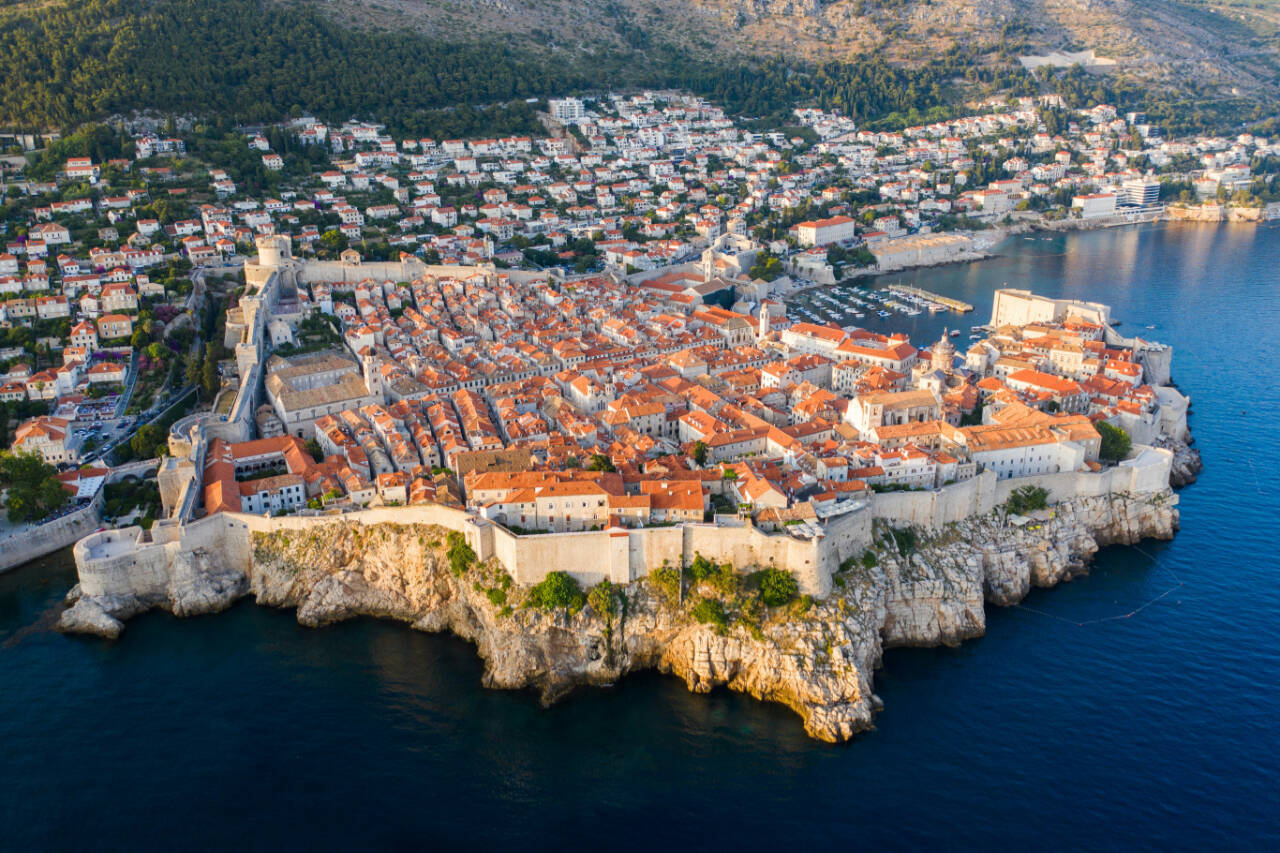
The Adriatic Pearl, once known as Ragusa, has origins dating back to the 7th century. From Byzantine to Venetian rule in the years that followed, Dubrovnik finally became a free state from the 14th to 19th centuries, and a Mediterranean Sea power seen as a threat to many. Dubrovnik’s picturesque walled old town, famous for flocks of tourists today, was developed already from the 13th century, and the image plastered across today’s travel magazine covers is consistent with its appearance all those centuries ago.
Even after a devastating earthquake in 1667 and the Napoleonic Wars not long after, Dubrovnik’s Gothic, Renaissance, and Baroque old town, glittered with churches, palaces, monasteries, and fountains, remained preserved. However, the darkest day in Dubrovnik history happened just 30 years ago, when its famous walls were shelled by Serb forces during the Homeland War.
Nonetheless, Dubrovnik has managed to prevail and today is a tourism mecca with a history that steeps through every stone on its wall. It was included in the UNESCO World Heritage List in 1979. As you can see, Croatia has a rich history; all of this (and more) awaits you when you book a yacht charter and sail in Croatia.
Visit our website for more inspiration or contact us and let’s start planning your perfect sailing holiday.
Latest from Blog
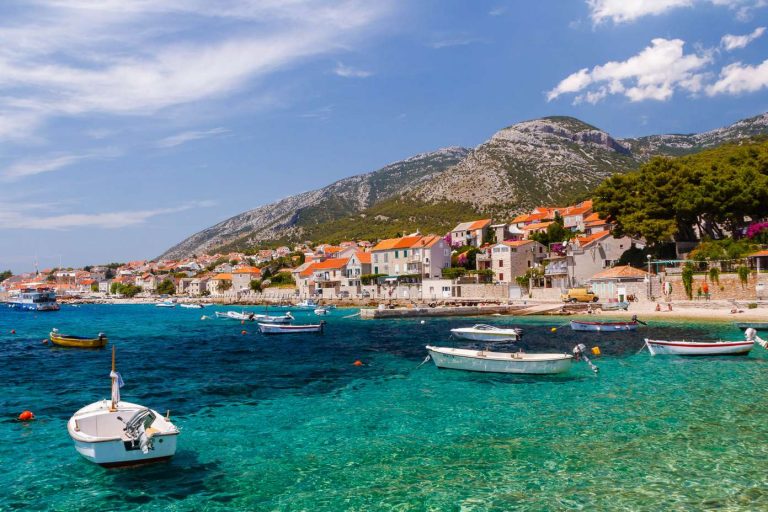
Exploring Brač: Your Brač island Bucket List
Discover Brač, the largest island in Croatia’s Dalmatian region, a rising star for summer travelers. Famous for its stunning beaches, distinctive white limestone, and some of the country’s finest lamb, Brač has become a must-visit destination, just a short ferry ride from Split. Whether you’re arriving by ferry or exploring it on a sailing holiday, this island offers a wealth of experiences—from scenic landscapes to local culinary delights. Here’s a guide to the top highlights that make Brač unforgettable.
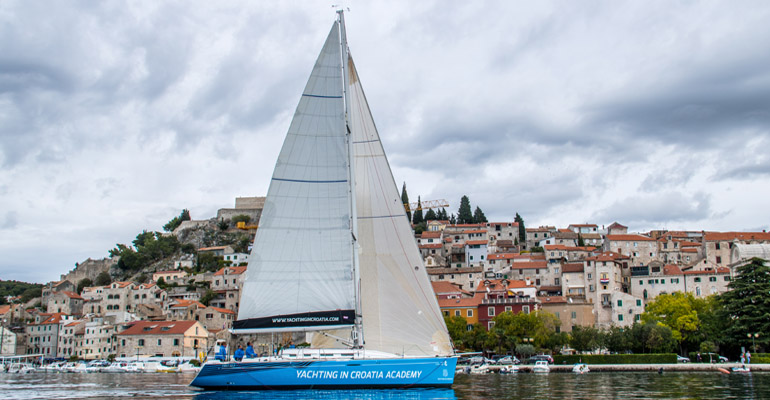
Family-Friendly Activities on Croatia’s Coast
You might be wondering whether Croatia is suitable for kids, especially if you’re planning a family sailing holiday this summer. The good news is that Croatia is one of Europe’s top family-friendly sailing destinations. From calm, sheltered bays and shallow beaches to engaging activities on and off the yacht, there’s plenty to keep children entertained and safe. With its stunning coastline, rich history, and welcoming local culture, Croatia offers the perfect mix of adventure and relaxation for families on the water.
6 Beaches to Visit on a Central Dalmatian Sailing Route
Summer is just around the corner, and with your sailing holiday in Croatia booked, it’s time to plan your itinerary. While the main joy of a sailing holiday is relaxing on your yacht, knowing where to discover the best beaches along the central Dalmatian coast can make your trip even more enjoyable—especially for families with kids eager to stretch their legs and play by the sea.